
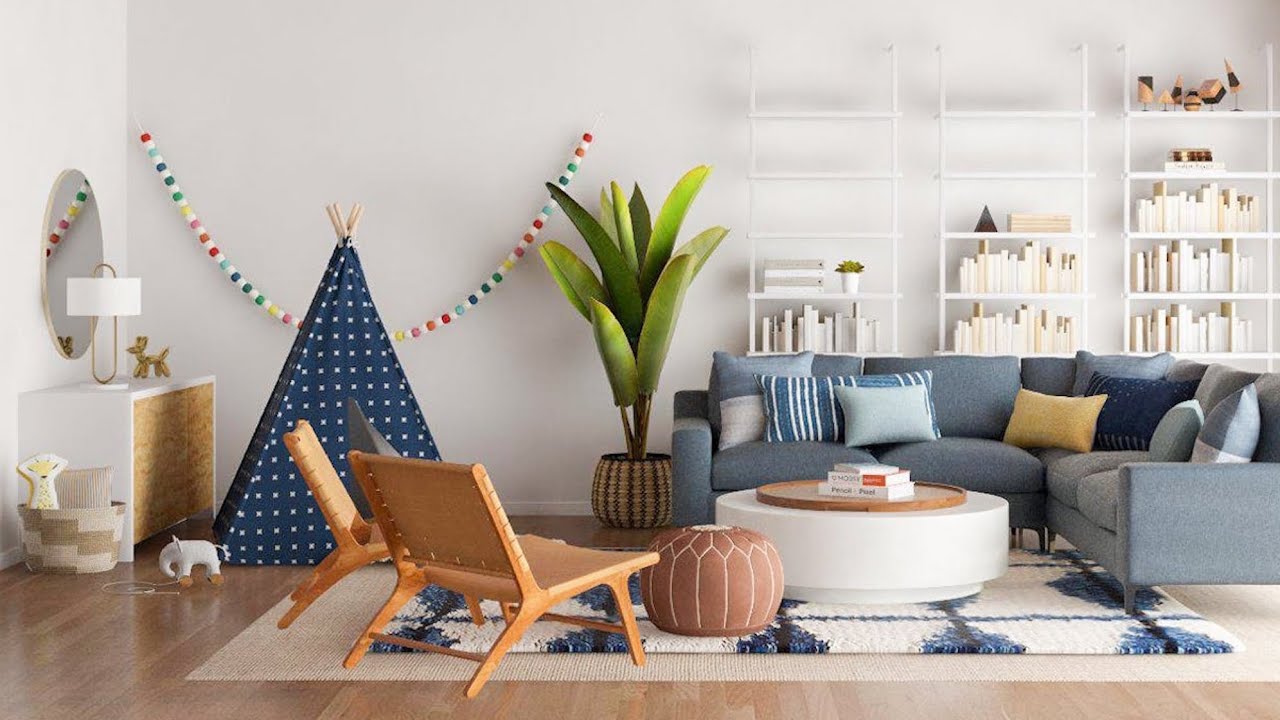
Home organization extends beyond aesthetic tidiness to encompass functional systems supporting daily life, reducing stress, and maximizing limited space. Disorganization wastes time searching for misplaced items, creates visual chaos contributing to mental overwhelm, and prevents full utilization of available storage. Organizational systems work best when customized to individual households rather than following one-size-fits-all approaches ignoring specific needs, habits, and constraints. Effective organization combines decluttering to reduce volume, strategic storage making items accessible when needed, and maintenance habits preventing gradual deterioration back to chaos. Understanding organizational principles and practical strategies enables creation of spaces that function smoothly while reflecting personal aesthetics and supporting desired lifestyle.
Decluttering and Decision-Making
Category-based decluttering working through item types rather than rooms reveals total volume owned and facilitates comparison making, with clothing, books, and papers common starting categories. Keep-donate-discard-sell framework provides structure for decision-making, though many struggle with sentimental attachment, guilt about waste, or optimistic future use scenarios. Emotional processing acknowledges that letting go of possessions sometimes involves grieving memories or aspirations they represent, requiring patience and self-compassion during decluttering. Sunk cost recognition helps release items that were expensive or gifts but no longer serve current needs, with past money spent irrelevant to present utility. One-year rule suggests that items unused for full year including seasonal variation rarely justify the space they occupy, though exceptions exist for genuine emergency supplies or special occasion items. Digitization reduces physical storage needs for photographs, documents, and media while maintaining access to content, though requiring backup systems preventing digital loss. Donation and recycling channels ensure unwanted items benefit others or get properly recycled rather than contributing to landfill waste, with tax deductions potentially offsetting some financial loss. However, decluttering without addressing acquisition habits merely creates temporary relief before accumulation resumes, necessitating behavior changes alongside purging.
Storage Solutions and Space Optimization
Maintenance Systems and Habit Formation
Daily reset routines taking ten to fifteen minutes each evening to restore spaces to baseline order prevents accumulation of daily chaos into overwhelming messes requiring hours of effort. One-in-one-out rules maintaining equilibrium by removing an existing item whenever acquiring something new prevents gradual accumulation despite decluttering efforts. Designated homes for everything enables quick cleanup since items have obvious destinations rather than getting set down randomly wherever convenient at the moment. Processing mail and paper immediately sorting into action, file, or recycle prevents paper pile accumulation that buries important documents and clutters surfaces. Seasonal reviews reassessing wardrobe, sporting equipment, and holiday decorations as relevant seasons approach identifies items no longer used before storing them for another cycle. Involving household members in organizational systems and maintenance through clear expectations and age-appropriate responsibilities distributes workload while teaching valuable life skills. Visual cues and reminder systems from checklists to calendar alerts help maintain routines until they become automatic habits requiring less conscious effort. However, perfectionism expecting perpetual magazine-ready spaces creates unrealistic pressure and inevitable disappointment, with functional organization allowing for daily living without constant styling for photographs. The goal is serving household needs and reducing stress rather than achieving Instagram-worthy aesthetics that may require unsustainable effort to maintain.