
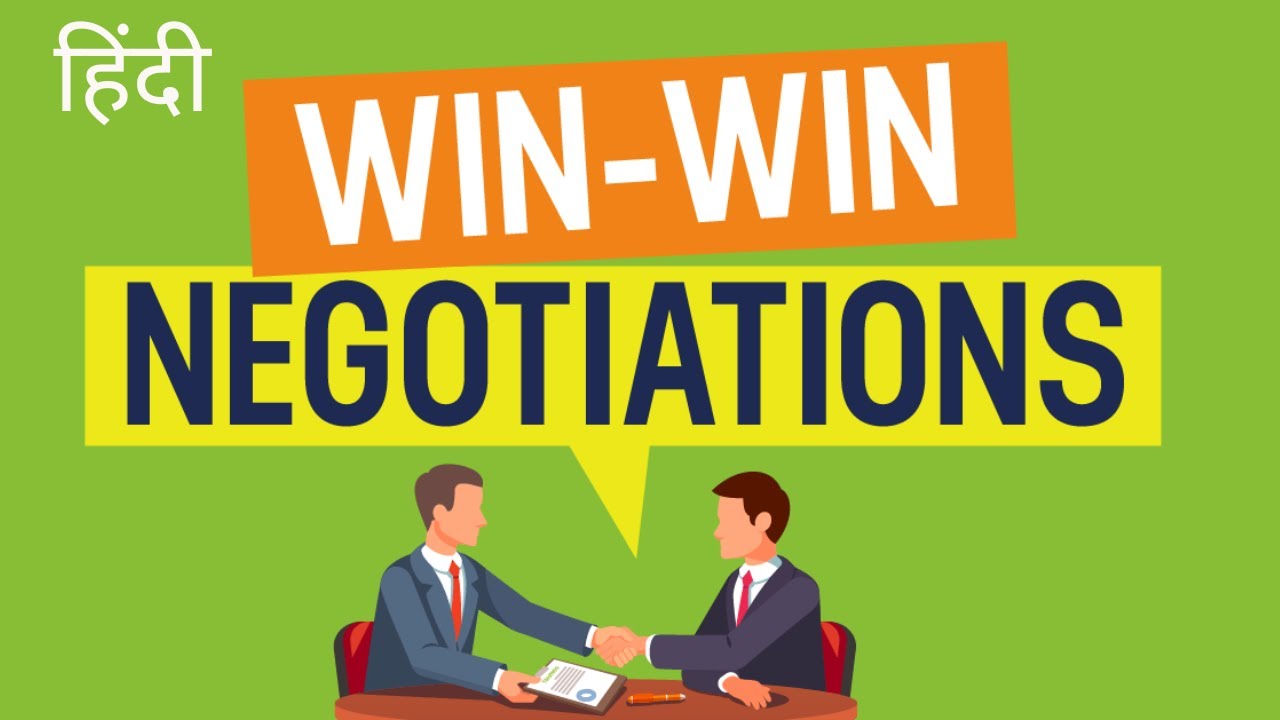
Negotiation skills prove essential across professional and personal contexts from salary discussions to vendor contracts to household decision-making. Effective negotiators achieve favorable outcomes while preserving or strengthening relationships, recognizing that purely adversarial approaches often prove counterproductive in ongoing interactions. Common misconceptions portray negotiation as zero-sum competition or manipulation, yet principled negotiation focuses on mutual benefit through creative problem-solving addressing underlying interests rather than rigid positions. Preparation, active listening, emotional intelligence, and strategic thinking combine to produce results superior to aggressive demands or passive acceptance. Understanding negotiation fundamentals empowers people to advocate effectively for their interests while respecting others’ legitimate needs.
Preparation and Strategic Planning
BATNA, or best alternative to negotiated agreement, defines your walkaway point and negotiating power, with strong alternatives providing leverage while weak alternatives necessitating flexibility. Reservation price establishes minimum acceptable outcome, preventing agreement to unfavorable deals during negotiation pressure while allowing flexibility above this threshold. Target or aspiration establishes ambitious but achievable goal guiding strategy and opening offers, with research on market rates and comparable situations informing realistic targets. Interest identification distinguishes underlying needs from stated positions, with positions representing specific solutions while interests explain why those solutions matter. Information gathering about other party’s situation, constraints, and priorities enables value creation through trades addressing different priorities. Framing considerations include whether to anchor first establishing favorable reference point or let others reveal information through their opening. Authority clarification ensures negotiating with decision-makers rather than wasting time with people lacking power to finalize agreements. However, over-preparation sometimes creates rigidity preventing adaptation to new information or creative solutions emerging during discussion.
Communication and Relationship Building
Active listening demonstrates respect while gathering crucial information about interests, concerns, and priorities often revealing opportunities for mutually beneficial agreements. Open-ended questions encourage detailed responses providing insight into underlying motivations and constraints beyond surface positions. Empathy and perspective-taking build rapport and trust essential for collaborative problem-solving, with acknowledgment of concerns differing from agreement. Separating people from problems addresses issues constructively without personal attacks, maintaining focus on interests rather than personalities or past grievances. Emotional regulation prevents anger or frustration from derailing productive discussion, with awareness that strong emotions often signal important unmet needs worth addressing. Silence strategically deployed gives counterparts space to think and speak, often eliciting valuable information people wouldn’t share if constantly interrupted. Summarizing and clarifying demonstrates understanding while preventing misunderstandings from compounding, with periodic check-ins ensuring continued alignment. However, excessive rapport-building or conflict avoidance sometimes prevents necessary discussion of difficult issues, requiring balance between relationship maintenance and substantive progress.
Value Creation and Agreement
Expanding the pie through creative options addresses multiple interests simultaneously rather than fixed division of single resource, with brainstorming generating possibilities before evaluating feasibility. Trading on differences creates value when parties prioritize different aspects, allowing exchanges where each gives what matters less to them while receiving what they value more. Contingent agreements address uncertainty through conditional terms, allowing progress despite disagreement about future outcomes or performance. Package deals combine multiple issues enabling trades impossible when negotiating items individually, with overall agreement potentially acceptable despite disappointing elements. Objective criteria and standards provide legitimate basis for proposals, with reference to market rates, industry standards, or precedent making requests reasonable rather than arbitrary. Creating drafts and proposals makes abstract agreements concrete, revealing ambiguities requiring clarification while building commitment through documented progress. Final agreement review ensures mutual understanding and captures all terms, with written documentation preventing future disputes about what was actually agreed. However, premature focus on agreement terms before exploring interests sometimes locks parties into suboptimal solutions, with patience during exploratory phases often producing superior final outcomes than rushing to initial acceptable agreements.