
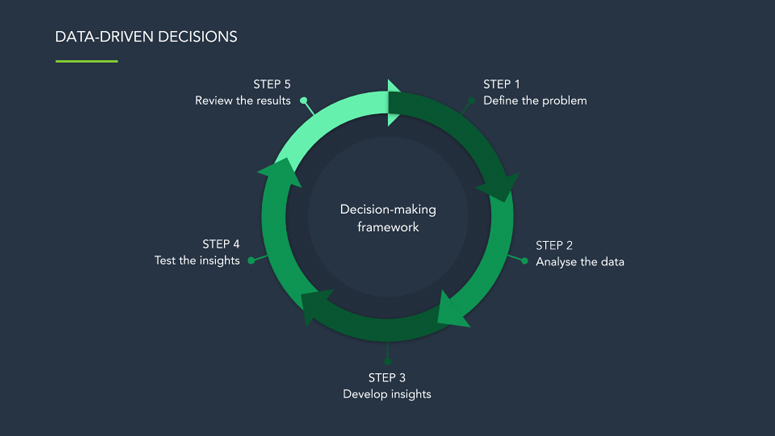
Business analytics transforms raw data into actionable insights guiding strategic and operational decisions across organizations. The explosion of available data from customer interactions, operations, and external sources creates both opportunity and challenge, with competitive advantage flowing to companies effectively extracting value from information. Analytics encompasses descriptive reporting on what happened, diagnostic analysis explaining why, predictive modeling forecasting future outcomes, and prescriptive recommendations suggesting optimal actions. Technology advances make sophisticated analysis accessible beyond large enterprises with dedicated data science teams, though translating analytical insights into business impact requires organizational capabilities beyond mere technical tools. Understanding analytics fundamentals helps leaders ask better questions, interpret results appropriately, and build data-driven cultures.
Descriptive and Diagnostic Analytics
Dashboards visualize key performance indicators providing at-a-glance status monitoring, with red-yellow-green indicators drawing attention to metrics requiring action while confirming expected performance. Historical trend analysis reveals patterns over time distinguishing seasonal fluctuations from genuine growth or decline, informing resource planning and performance evaluation. Customer segmentation groups clients by characteristics, behaviors, or value enabling targeted marketing and service strategies appropriate for different segments. Sales analysis identifies top products, customers, and regions while highlighting underperformance requiring investigation or intervention. Operational metrics track efficiency, quality, and capacity utilization revealing bottlenecks and improvement opportunities throughout processes. Financial reporting provides standard accounting views supplemented by customized metrics relevant to specific business models and industries. Root cause analysis investigates performance deviations using statistical techniques and domain expertise determining whether variations stem from random chance or systematic factors requiring response. However, descriptive analytics alone proves insufficient, as understanding what happened and why doesn’t automatically reveal what to do about it.
Predictive and Prescriptive Analytics
Demand forecasting predicts future sales enabling appropriate inventory, staffing, and capacity planning, with accuracy reducing waste from overproduction while preventing stockouts and lost sales. Customer churn prediction identifies clients at high defection risk, allowing targeted retention efforts potentially saving relationships before they end. Credit risk models assess loan default probability informing lending decisions and pricing, balancing growth and risk management objectives. Price optimization determines revenue-maximizing prices considering demand elasticity, competition, and strategic positioning across product portfolio. Recommendation engines suggest products or content based on behavior patterns and similarity to other customers, driving incremental sales and engagement. Workforce analytics predict attrition, identify high performers, and optimize scheduling improving retention while ensuring appropriate staffing levels. Scenario modeling evaluates potential outcomes under different assumptions enabling contingency planning and stress testing of strategies. Prescriptive analytics goes further recommending specific actions, such as optimal resource allocation, dynamic pricing adjustments, or personalized customer treatments maximizing expected outcomes. However, models require validation against actual results and periodic updating as conditions change, with blind reliance on historical patterns sometimes missing emerging trends or structural shifts.
Implementation and Organizational Factors
Data quality determines analytical reliability, with incomplete, inconsistent, or inaccurate source data producing misleading results regardless of analytical sophistication, necessitating data governance and quality improvement programs. Technical infrastructure from databases to analytical tools to computing power enables analysis, though cloud services increasingly democratize access reducing capital investment requirements. Talent acquisition and development builds analytical capabilities through hiring data scientists, training existing staff, and fostering collaboration between analytical and domain experts. Organizational culture valuing evidence over intuition supports analytical investment, with leadership modeling data-driven decision-making and rewarding insight application over mere report generation. Change management addresses resistance when analytics challenge established practices or power structures, requiring communication about value and involvement in solution development. Experimentation mindset treats initiatives as tests generating learning rather than all-or-nothing bets, with A/B testing and controlled pilots reducing risk while building confidence. Ethical considerations around privacy, bias, and transparency grow increasingly important as analytics influence consequential decisions about individuals and society. Ultimately, analytical value emerges not from sophisticated techniques but from addressing important business questions with appropriate methods and translating insights into action, suggesting that business understanding matters as much as technical skills in effective analytics programs.