
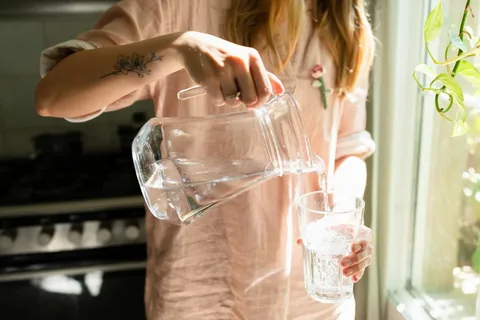
Water constitutes approximately sixty percent of adult body weight, with every system depending on adequate hydration for optimal function. The commonly cited recommendation of eight glasses daily represents rough guideline rather than precise requirement, as individual needs vary based on body size, activity level, climate, and overall health. Chronic mild dehydration affects millions who fail to recognize thirst signals or mistake them for hunger, potentially contributing to fatigue, headaches, and reduced cognitive performance. Meanwhile, aggressive hydration strategies promoted by wellness influencers sometimes lead to overhydration and electrolyte imbalances. Understanding hydration science helps individuals find appropriate balance supporting health without obsessing over arbitrary intake targets or falling for marketing hype around expensive specialty waters.
Physiological Functions and Requirements
Temperature regulation through sweating requires adequate fluid replacement, with dehydration impairing this critical cooling mechanism and increasing heat illness risk during exercise or hot weather. Nutrient transport and waste removal depend on blood volume maintained through proper hydration, with circulation delivering oxygen and nutrients while removing metabolic waste products. Joint lubrication and cushioning suffer when cartilage dehydrates, potentially contributing to discomfort and long-term joint health issues. Cognitive function including attention, memory, and mood deteriorates with dehydration levels as low as two percent of body weight, often occurring before thirst sensation prompts drinking. Digestive health requires adequate fluids for proper nutrient absorption and waste elimination, with chronic dehydration contributing to constipation. Kidney function depends on sufficient water intake to filter waste and prevent stone formation, with concentrated urine indicating need for increased fluid consumption. Individual hydration needs increase with physical activity, pregnancy and breastfeeding, illness causing fever or fluid loss, and certain medications having diuretic effects. Urine color provides simple hydration indicator, with pale yellow suggesting adequate hydration while dark yellow or amber indicates need for increased intake.
Sources and Quality Considerations
Plain water provides hydration without calories, sugar, or additives, though many people find it boring and struggle to drink adequate amounts without flavor. Food sources particularly fruits and vegetables contain significant water contributing to daily hydration, with cucumbers, watermelon, lettuce, and celery offering especially high water content. Beverages including tea, coffee, milk, and juice contribute to hydration despite historical concerns about caffeine’s diuretic effects proving negligible at typical consumption levels. Electrolyte drinks benefit athletes and those engaging in prolonged intense activity or sweating heavily, though unnecessary for typical daily hydration and often containing excessive sugar. Tap water quality varies by location with most developed countries maintaining safe supplies through treatment and testing, though taste and mineral content differ regionally. Filtered water removes chlorine taste and potential contaminants while maintaining beneficial minerals, with various filtration methods addressing different concerns from lead to pesticides. Bottled water offers convenience though creates environmental waste and costs significantly more than tap water, with quality not necessarily superior despite marketing suggesting otherwise. Alkaline and enhanced waters marketed with health claims often lack scientific support for purported benefits, with body tightly regulating pH regardless of water consumed.
Practical Hydration Strategies
Drinking with meals aids digestion and provides natural hydration opportunity three times daily, with water before meals potentially supporting weight management through increased fullness. Carrying reusable water bottles creates constant availability and visual reminder to drink regularly throughout the day rather than waiting until thirsty. Setting reminders through phone apps or smartwatch notifications helps establish consistent drinking habits for those who forget until dehydration symptoms appear. Flavor enhancement through fruit infusions, herbal additions, or sugar-free flavor drops makes water more appealing for people struggling to meet intake goals with plain water. Monitoring urine color provides simple feedback about hydration status without requiring precise intake tracking or complicated calculations. Pre-hydrating before exercise and replacing fluids during and after activity prevents performance decline and speeds recovery from physical exertion. Climate and season considerations increase requirements during summer heat or winter indoor heating that dries air and increases insensible water loss. However, forcing excessive water intake beyond thirst and comfort provides no additional benefit while potentially causing frequent urination disrupting sleep and daily activities, with severe overhydration risking dangerous electrolyte dilution though rare outside extreme endurance events or pathological water drinking.